FALCON 9
FIRST ORBITAL CLASS ROCKET CAPABLE OF REFLIGHT
0
TOTAL LAUNCHES
0
TOTAL LANDINGS
0
TOTAL REFLIGHTS
-
FALCON 9
OVERVIEW
HEIGHT
70 m / 229.6 ft
DIAMETER
3.7 m / 12 ft
MASS
549,054 kg / 1,207,920 lb
PAYLOAD TO LEO
22,800 kg / 50,265 lb
PAYLOAD TO GTO
8,300 kg / 18,300 lb
PAYLOAD TO MARS
4,020 kg / 8,860 lb
-
FALCON 9
FIRST STAGE
-
Falcon 9’s first stage incorporates nine Merlin engines and aluminum-lithium alloy tanks containing liquid oxygen and rocket-grade kerosene (RP-1) propellant.
Falcon 9 generates more than 1.7 million pounds of thrust at sea level.
-
The nine Merlin engines on the first stage are gradually throttled near the end of first-stage flight to limit launch vehicle acceleration as the rocket’s mass decreases with the burning of fuel. These engines are also used to reorient the first stage prior to reentry and to decelerate the vehicle for landing.
NUMBER OF ENGINES
9
THRUST AT SEA LEVEL
7,607 kN / 1,710,000 lbf
THRUST IN VACUUM
8,227 kN / 1,849,500 lbf
-
The Falcon 9 first stage is equipped with four landing legs made of state-of-the-art carbon fiber with aluminum honeycomb.
Placed symmetrically around the base of the rocket, they are stowed at the base of the vehicle and deploy just prior to landing.
Learn more about SpaceX reuseability
-
-
FALCON 9
SECOND STAGE
The second stage, powered by a single Merlin Vacuum Engine, delivers Falcon 9’s payload to the desired orbit. The second stage engine ignites a few seconds after stage separation, and can be restarted multiple times to place multiple payloads into different orbits.
NUMBER OF ENGINES
1 vacuum
BURN TIME
397 sec
THRUST
981 kN / 220,500 lbf
-
FALCON 9
INTERSTAGE
The interstage is a composite structure that connects the first and second stages, and houses the pneumatic pushers that allow the first and second stage to separate during flight.
GRID FINS
Falcon 9 is equipped with four hypersonic grid fins positioned at the base of the interstage. They orient the rocket during reentry by moving the center of pressure.
-
FALCON 9
PAYLOAD
-
Made of a carbon composite material, the fairing protects satellites on their way to orbit. The fairing is jettisoned approximately 3 minutes into flight, and SpaceX continues to recover fairings for reuse on future missions.
HEIGHT
13.1 m / 43 ft
DIAMETER
5.2 m / 17.1 ft
-
Dragon is capable of carrying up to 7 people and/or cargo in the spacecraft’s pressurized section. In addition, Dragon can carry cargo in the spacecraft’s unpressurized trunk, which can also accommodate secondary payloads.
HEIGHT
8.1 m / 26.6 ft
DIAMETER
3.7 m / 12 ft
-
VIDEO
FALCON 9 IN FLIGHT
FALCON 9
FIRST STAGE
-
Merlin is a family of rocket engines developed by SpaceX for use on its Falcon 1, Falcon 9 and Falcon Heavy launch vehicles. Merlin engines use a rocket grade kerosene (RP-1) and liquid oxygen as rocket propellants in a gas-generator power cycle. The Merlin engine was originally designed for recovery and reuse.
PROPELLANT
LOX / RP-1
THRUST
845 kN / 190,000 lbf
-
Merlin Vacuum features a larger exhaust section and a significantly larger expansion nozzle to maximize the engine’s efficiency in the vacuum of space. Its combustion chamber is regeneratively cooled, while the expansion nozzle is radiatively cooled. At full power, the Merlin Vacuum engine operates with the greatest efficiency ever for an American-made hydrocarbon rocket engine.
NUMBER OF ENGINES
9
THRUST
981 kN / 220,500 lbf
-
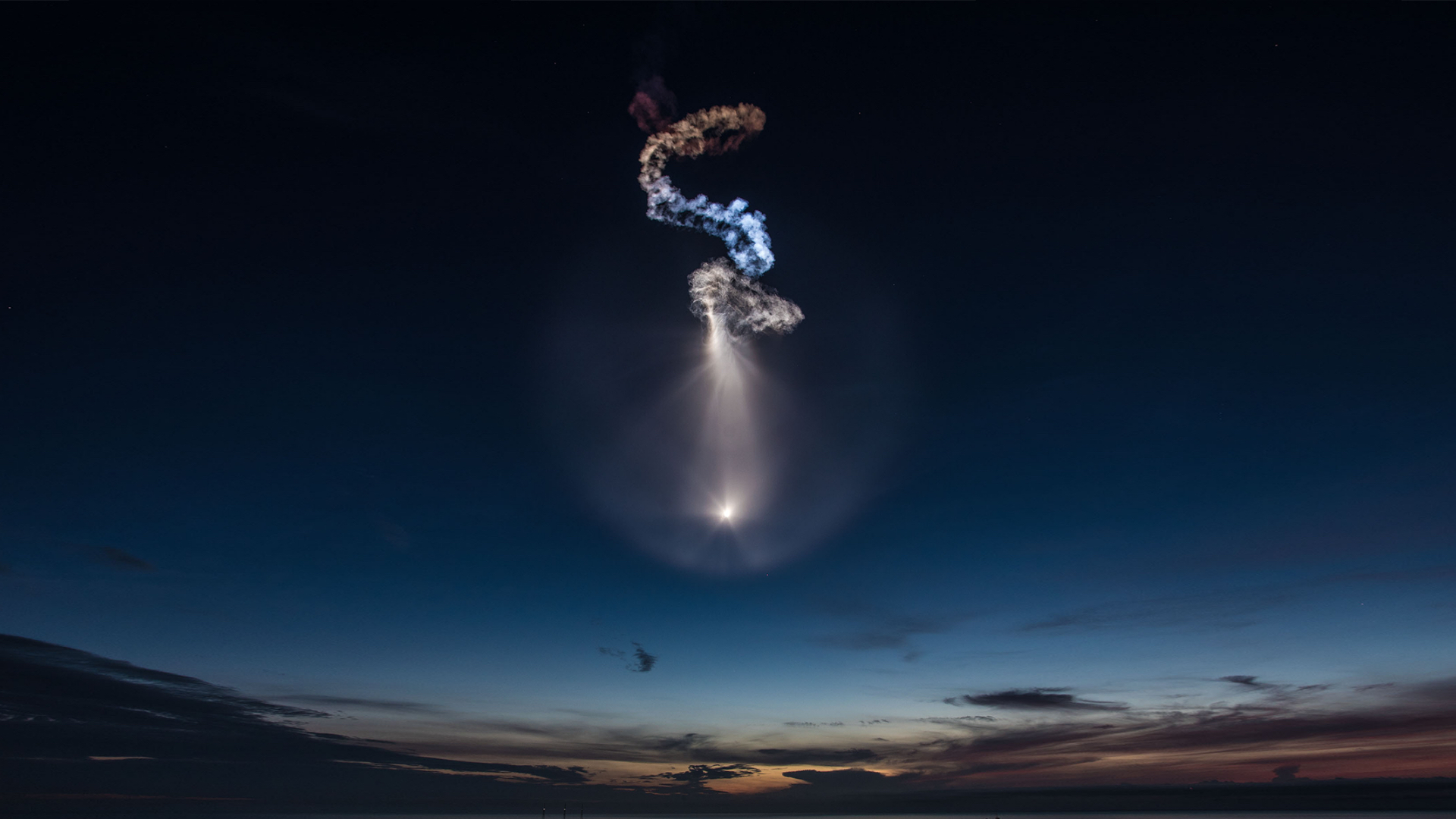
Falcon 9 first and second stages after seperating in flight
-
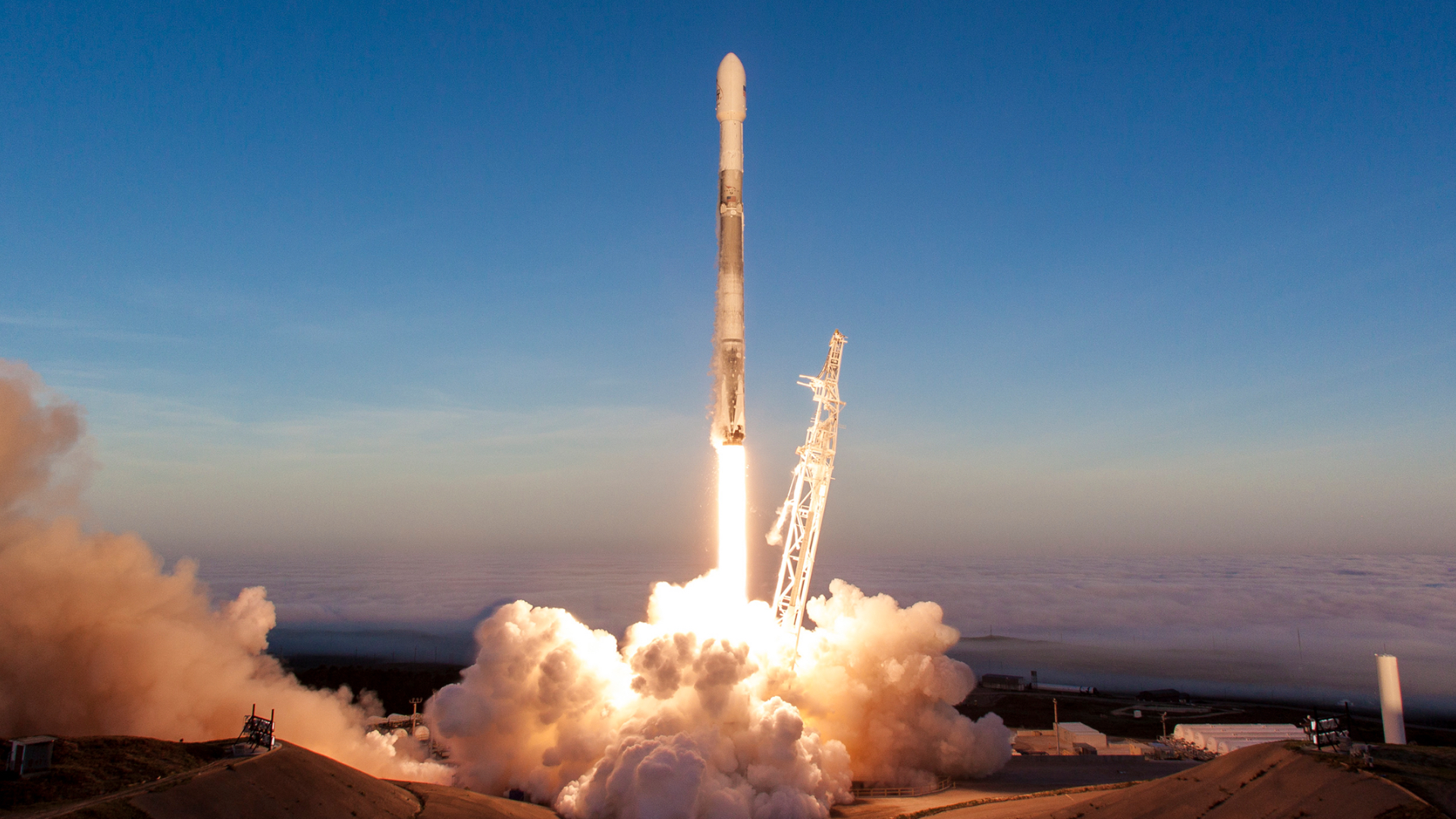
Falcon 9 lifts off with its Iridium-5 payload
-
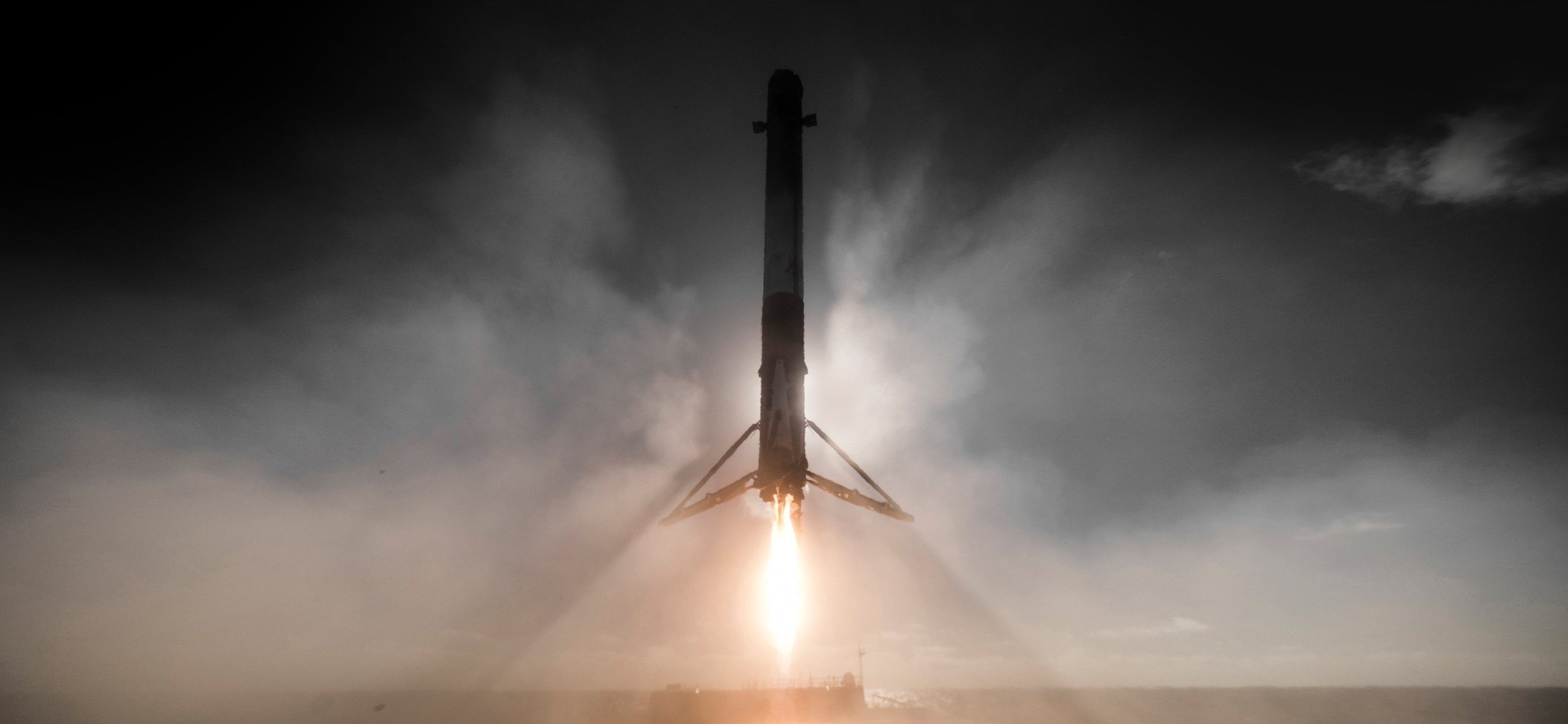
Falcon 9 lands on a droneship Just Read the Instructions
-
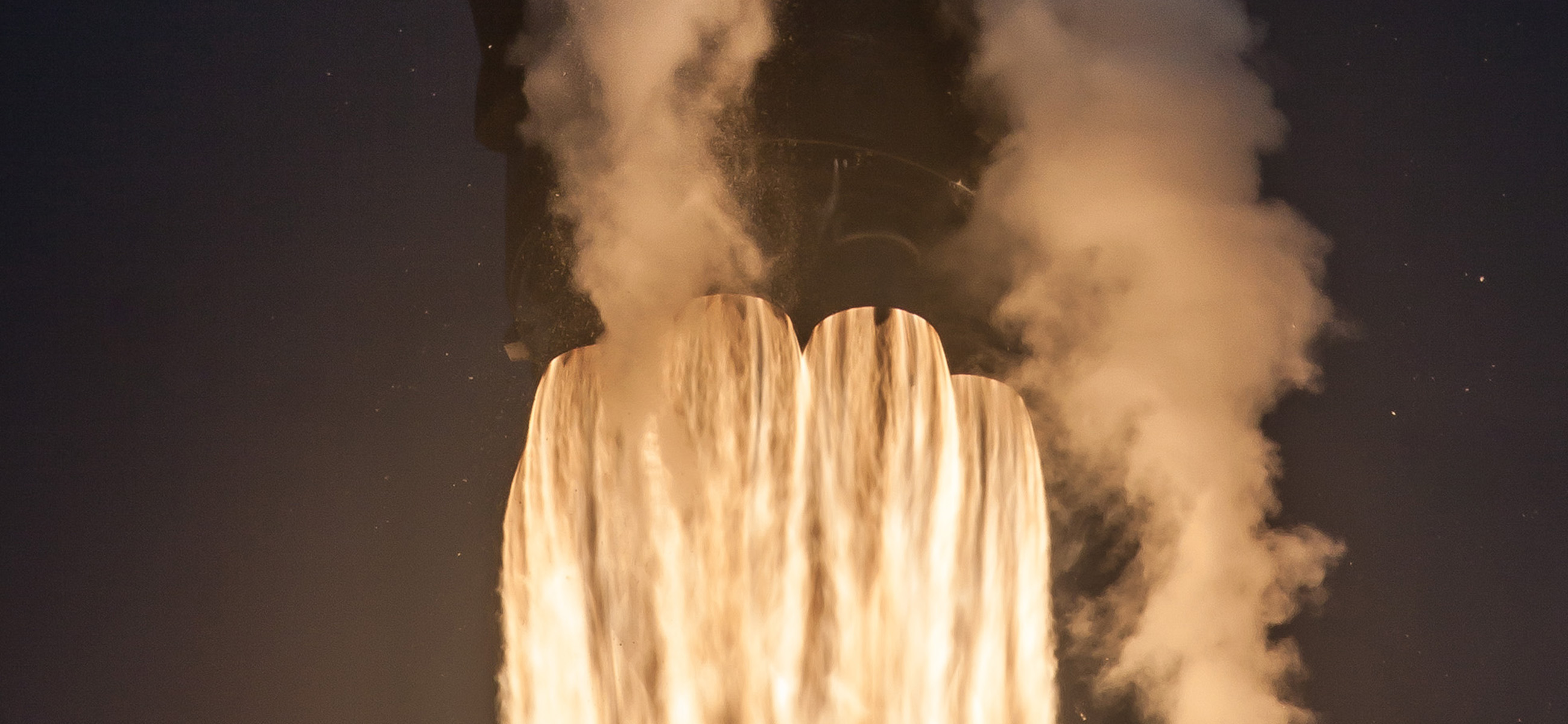
Close-up on Falcon 9's Merlin engines during liftoff
-
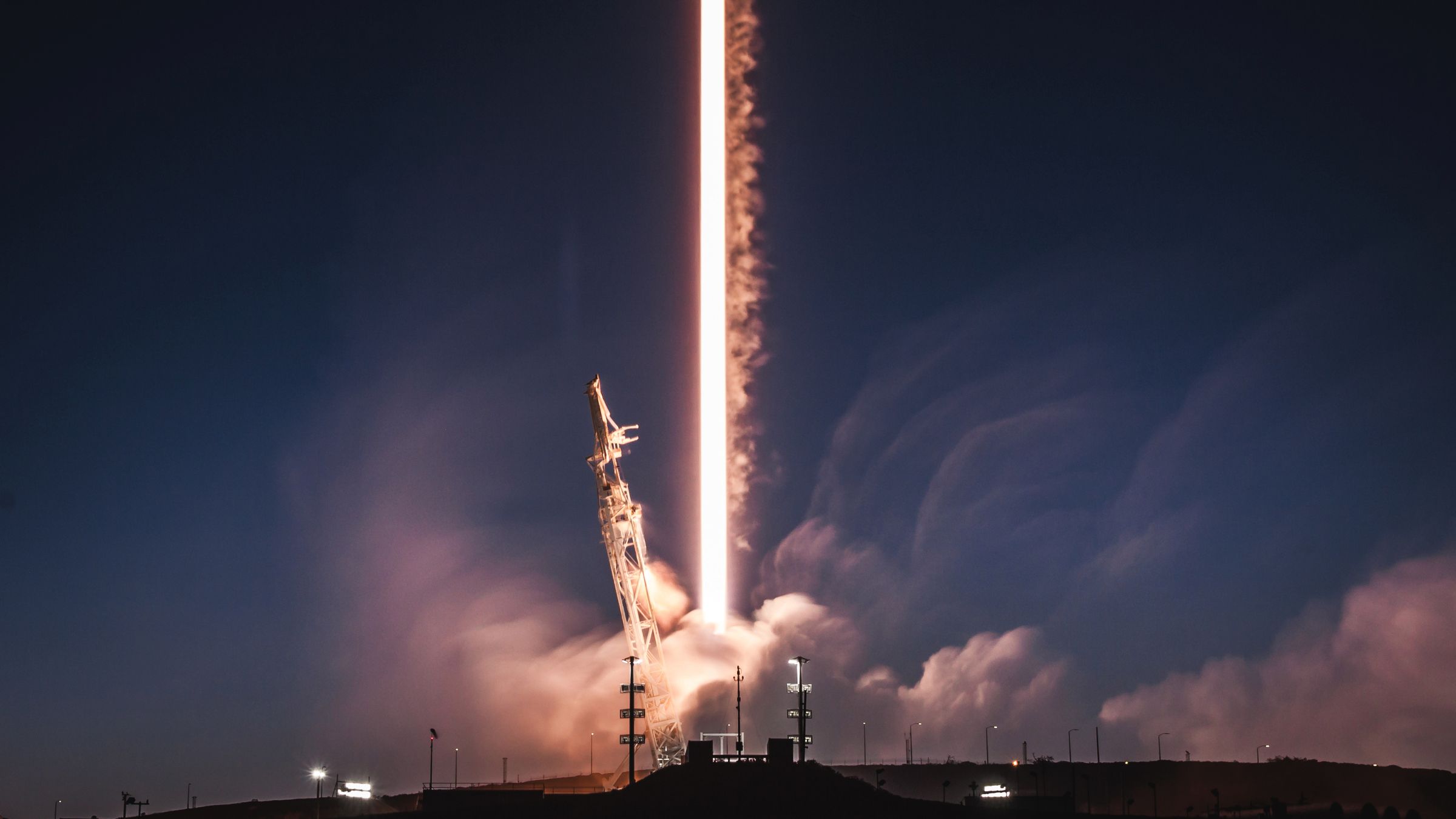
Falcon 9 leaves a trail of light as it lifts off from Vandenberg Air Force Base
-
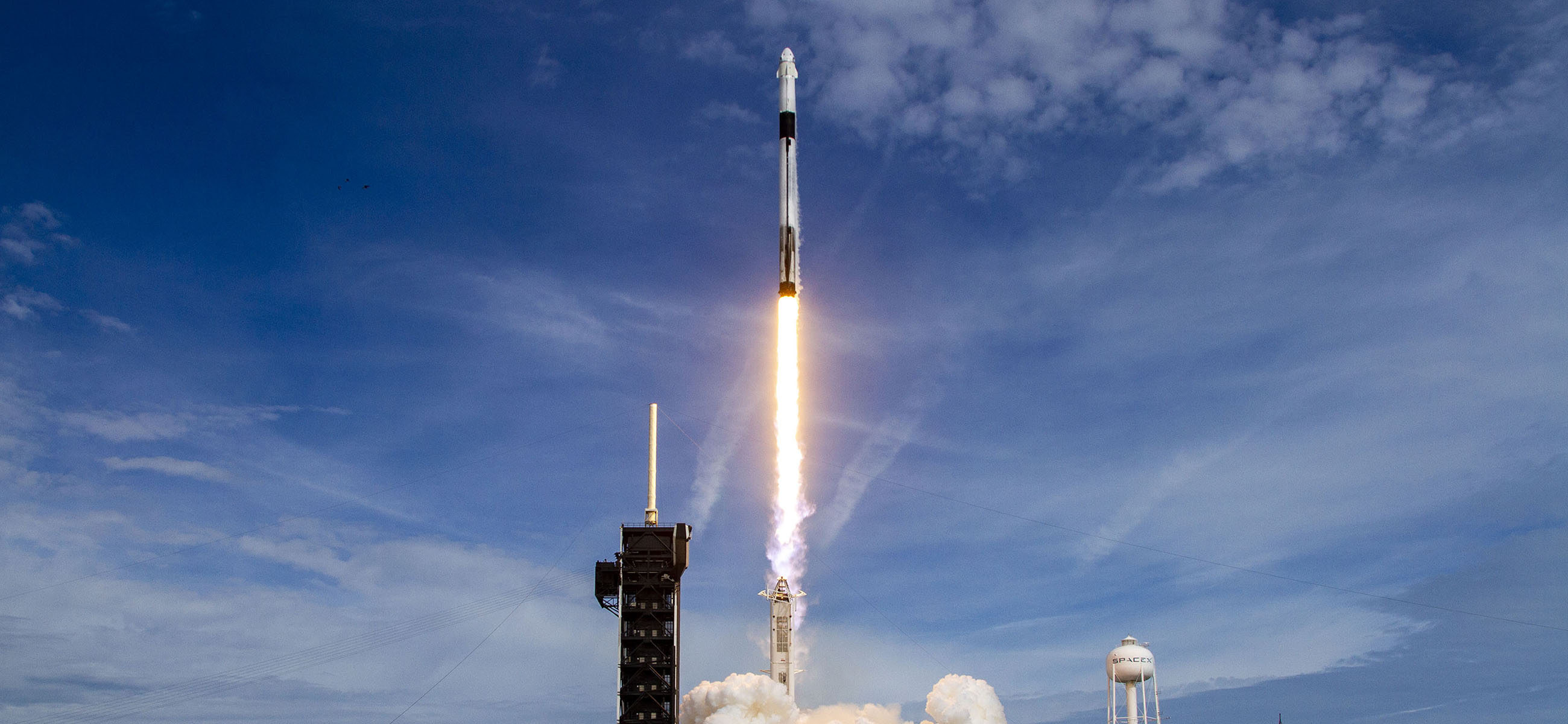
Falcon 9 lifts off with Dragon for an in-flight test of the Crew Dragon abort system
-
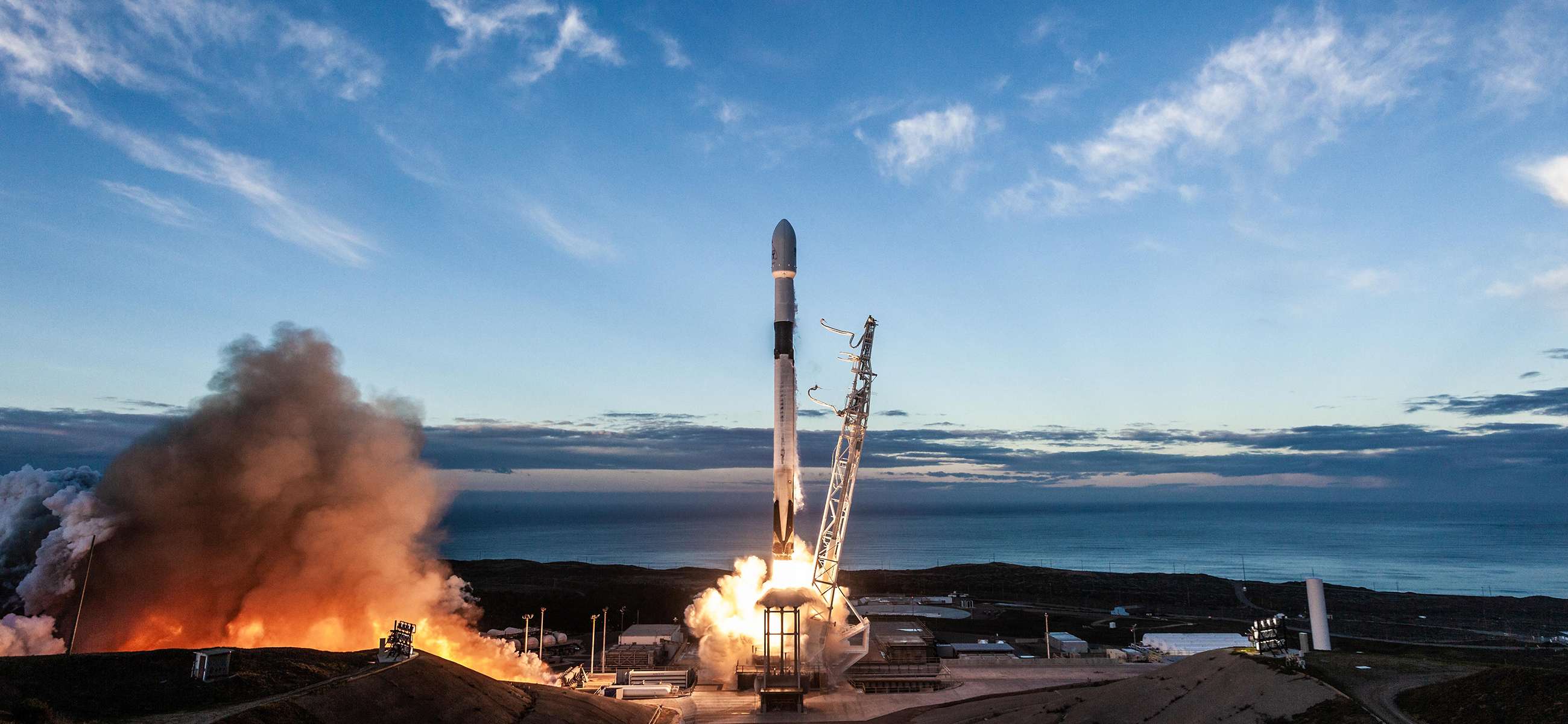
Falcon 9 lifts off with its Iridium-8 payload
-
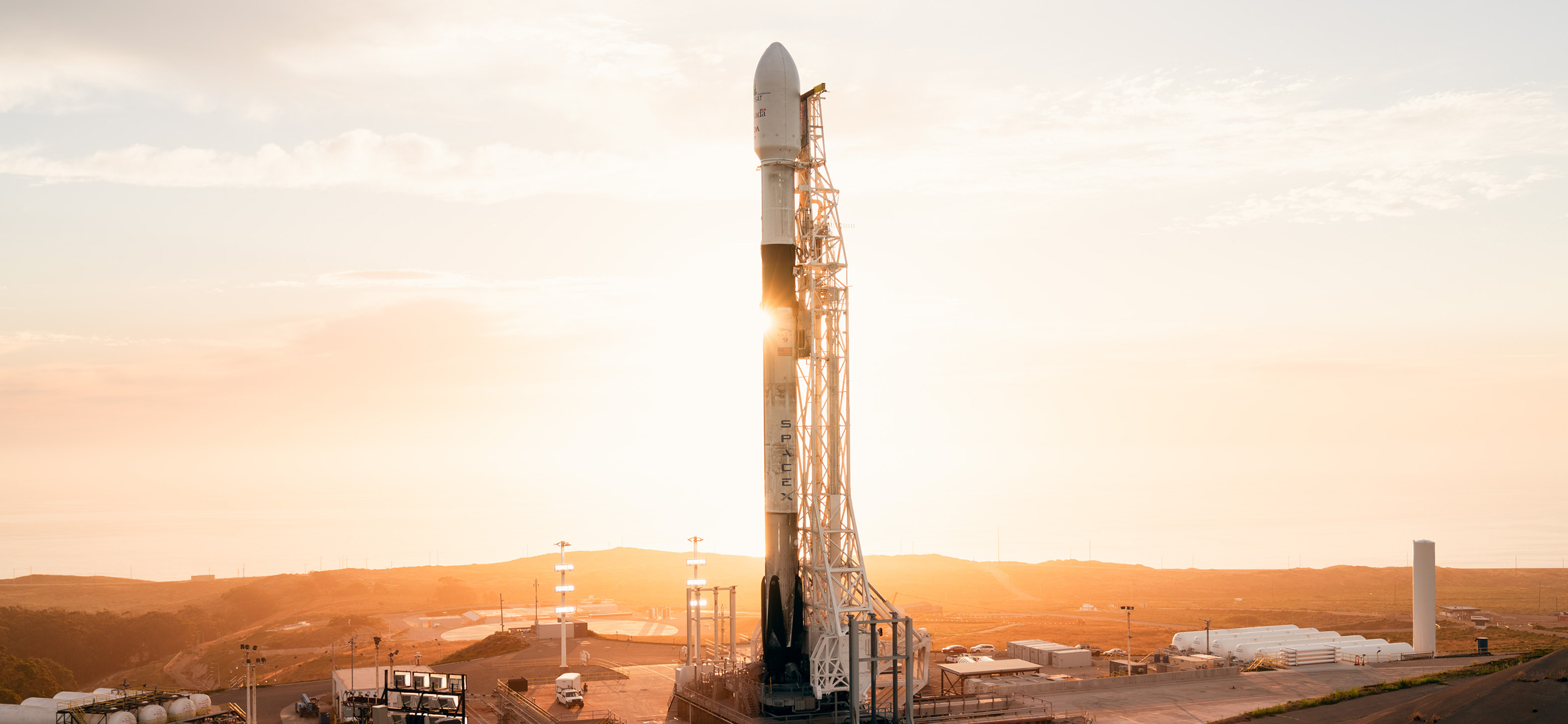
Falcon 9 with its Radarsat payload at sunset before launch
-
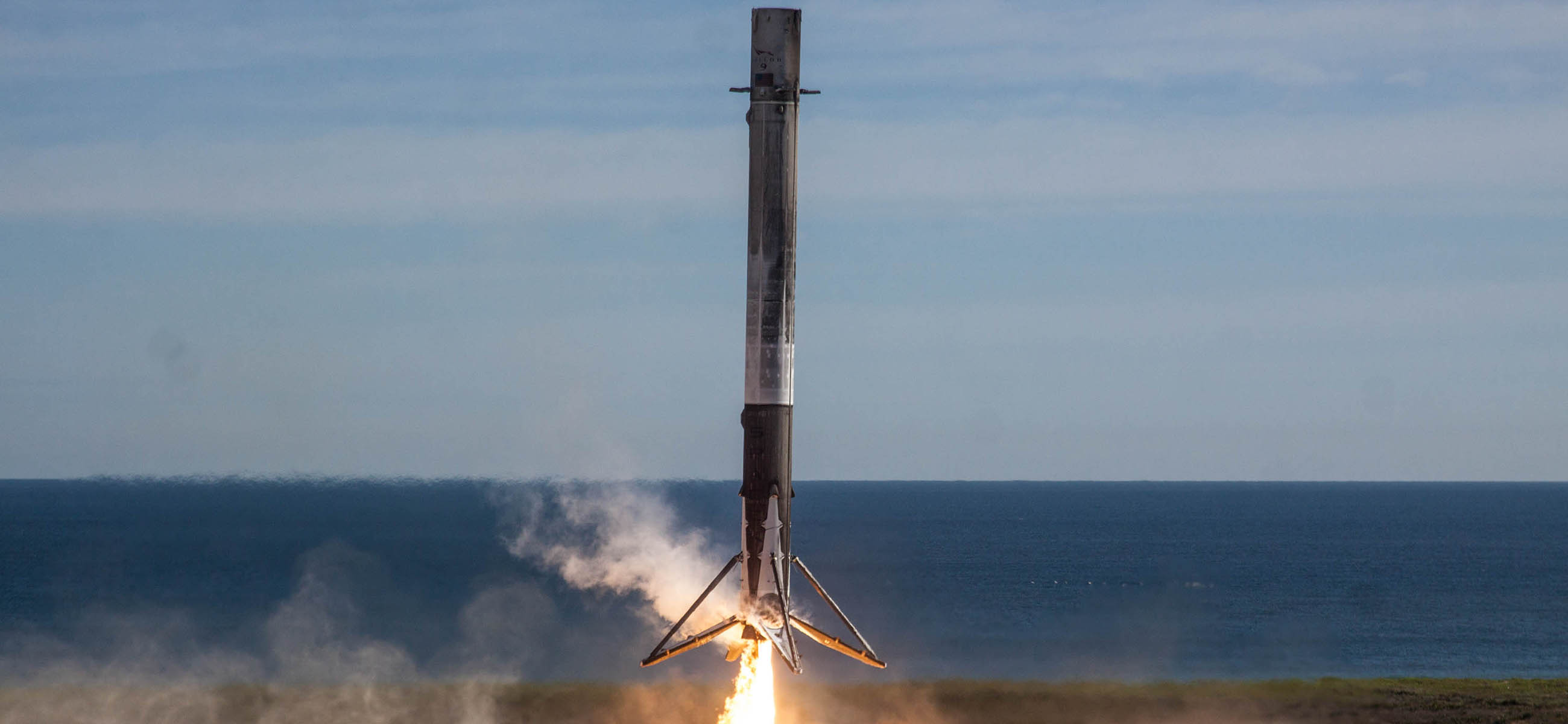
Falcon 9 lands at Cape Canaveral
-
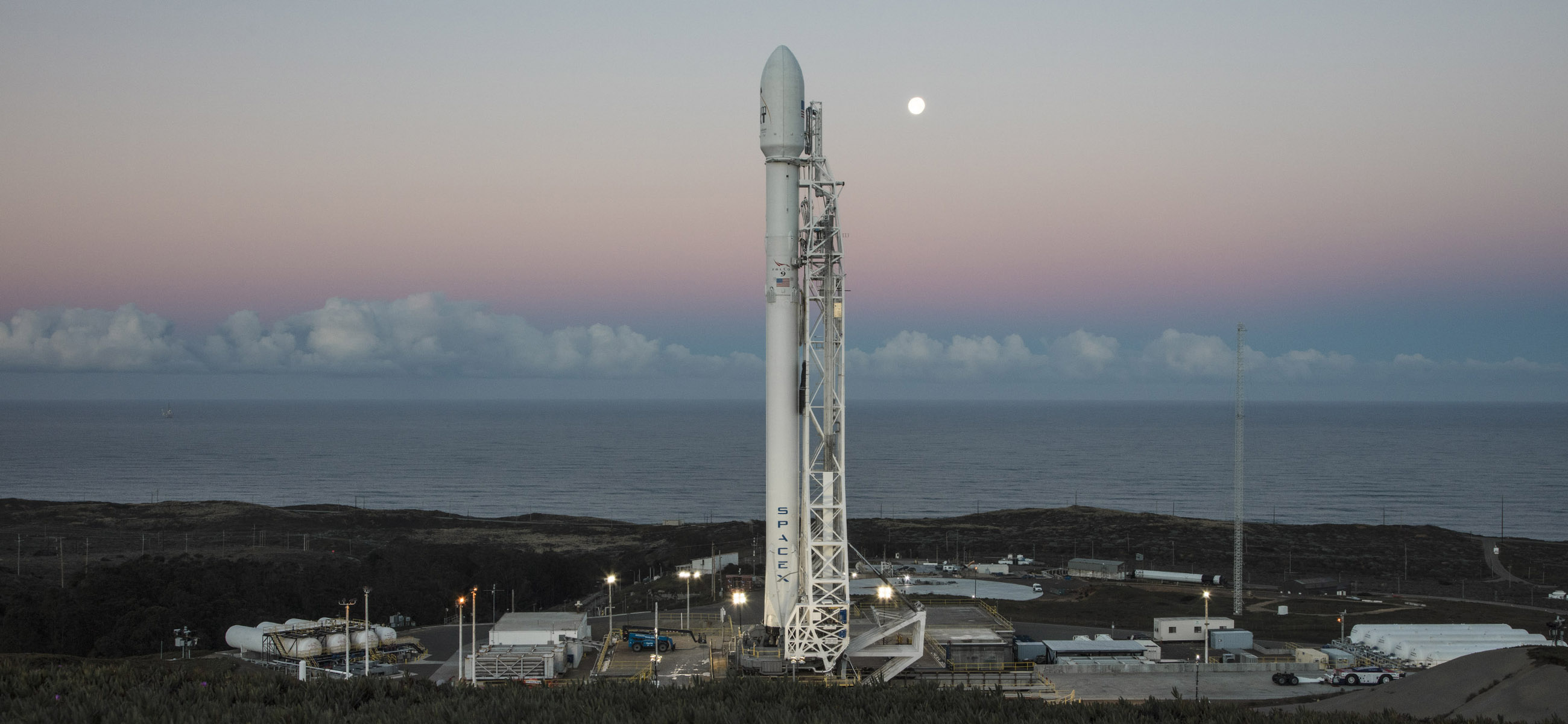
Falcon 9 vertical with its Iridium payload at moonrise
-
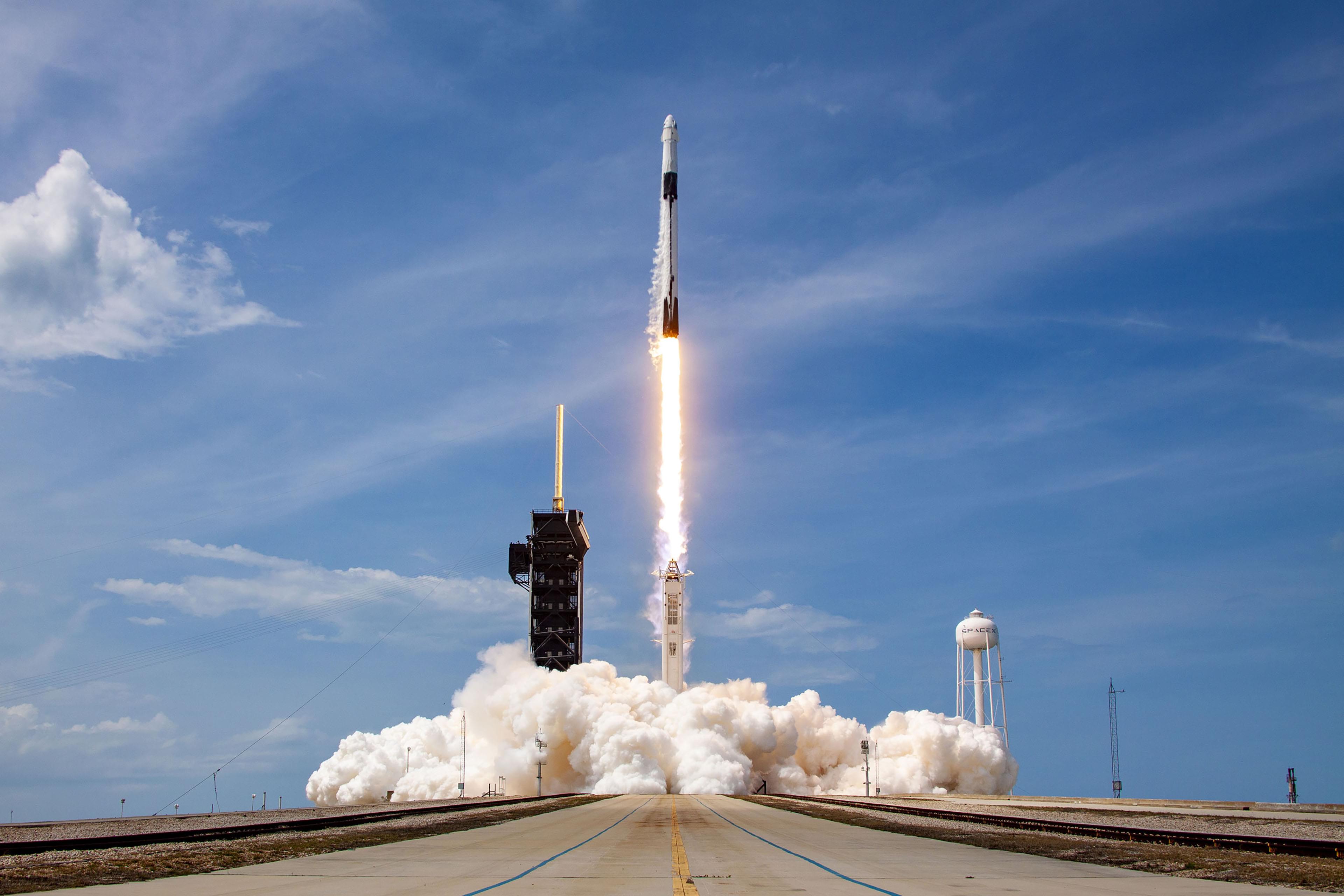
Falcon 9 launches Dragon to the International Space Station from Launch Complex 39A
For information about our launch services, contact sales@spacex.com